
Cold Heading

Cold Heading Manufacturing Services
What Is Cold Heading?
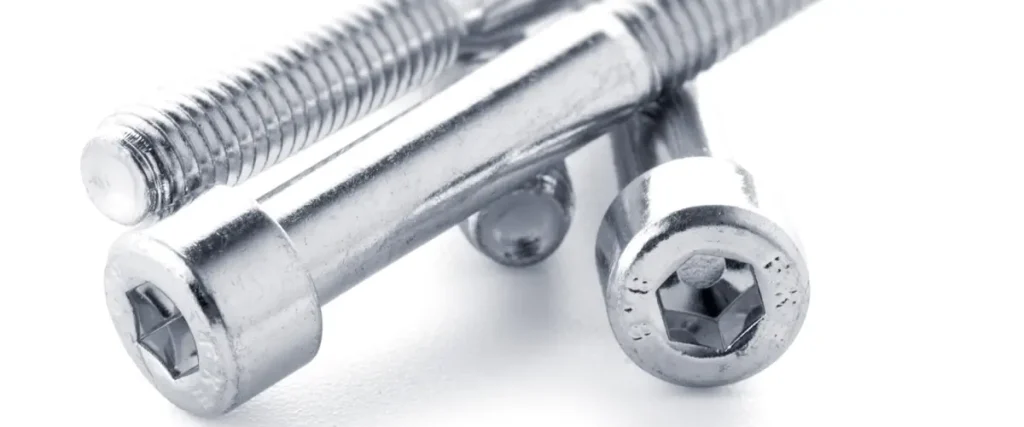
Cold heading, also known as cold forming, is a high-speed manufacturing process that reshapes metal wire or rod into specific geometries without removing material. Unlike machining, which cuts away material, cold heading displaces metal under compressive force to form the desired shape. The process improves material grain structure and mechanical strength while minimizing scrap. Because no material is removed, cold heading is often significantly more economical than traditional machining for high-volume production.High-Volume Production Efficiency
Cold heading is especially well-suited for large production runs. Tooling is engineered to produce consistent parts with minimal variation, allowing for rapid cycle times and reduced per-piece cost once tooling investment is amortized. Ford Atlantic supports short-run development programs as well as high-volume OEM production. Tooling configurations are selected based on geometry, material type, tolerance requirements, and annual volume projections.Applications and Component Types
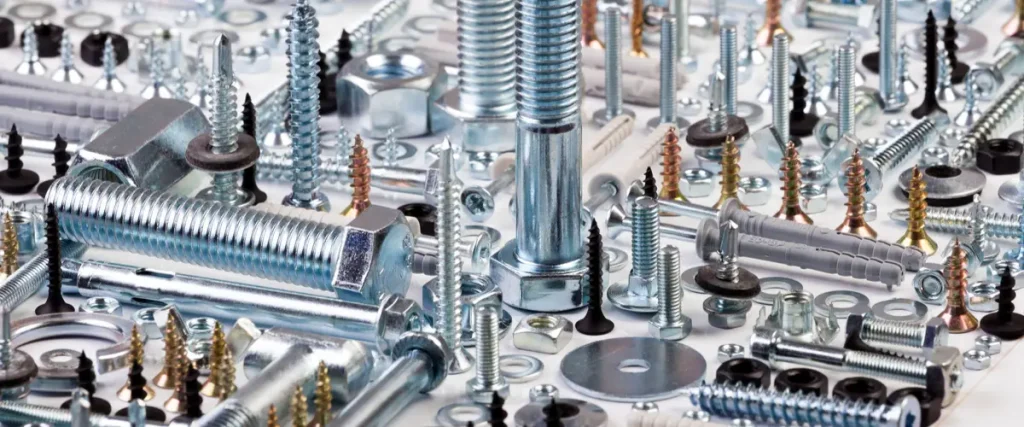
Cold heading is widely used to manufacture fasteners and specialty hardware components across multiple industries.- Bolts and screws
- Rivets and pins
- Studs and specialty fasteners
- Threaded inserts
- Custom formed metal components
Material Options
Cold heading supports a broad range of industrial materials selected based on strength, corrosion resistance, and environmental exposure. Carbon steel, alloy steel, stainless steel, aluminum, copper, brass, nickel alloys, and specialty metals are commonly used in cold formed applications. Material selection is evaluated during engineering review to ensure performance standards align with mechanical load and environmental conditions.Secondary Operations and Finishing
In addition to primary cold forming, Ford Atlantic offers secondary machining and finishing processes to meet final dimensional and performance specifications.- Thread rolling and tapping
- CNC machining and milling
- Drilling and chamfering
- Heat treatment
- Coating and plating
- Anodizing and surface finishing
Advantages of Cold Heading
Cold heading provides several manufacturing advantages compared to machining or casting.- Improved grain flow and mechanical strength
- Reduced material waste
- Lower per-piece cost in high-volume production
- Consistent dimensional repeatability
- High production speed
Integrated Manufacturing Support
Cold headed components can be incorporated into contract assembly programs or prepared through contract packaging services to streamline procurement and logistics.Most Common Cold Heading Manufacturing Questions
Cold heading is a metal forming process that reshapes wire or rod stock into specific geometries using compressive force without removing material. It is commonly used to produce fasteners and high-volume precision components.
Cold heading forms metal by displacement rather than cutting. Machining removes material, which generates waste and increases cost. Cold heading improves material grain structure and is more efficient for high-volume production.
Bolts, screws, rivets, studs, pins, threaded inserts, and custom metal components are commonly produced using cold heading.
Yes. Cold formed components can undergo threading, CNC machining, heat treatment, plating, and coating to meet final performance requirements.
Our Capabilities
Streamline Your Part Sourcing
Discuss your specifications, volumes, and sourcing objectives with our team. We provide fast, detailed responses supported by technical review and market-based pricing.