

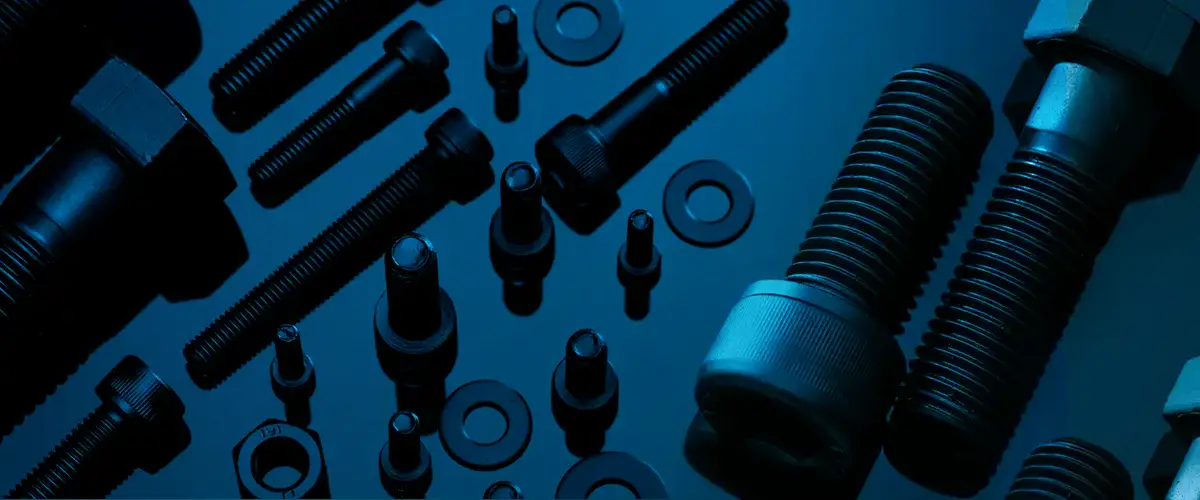
Ford Atlantic supplies corrosion-resistant fasteners engineered for demanding environments where long-term durability, material integrity, and reliable performance are critical.
Corrosion-resistant fasteners are essential in applications exposed to moisture, chemicals, salt spray, extreme temperatures, and industrial contaminants. In these environments, standard carbon steel fasteners can degrade quickly, leading to structural weakness, safety risks, and costly maintenance cycles. At Ford Atlantic, we provide engineered corrosion-resistant fastening solutions designed to support OEM manufacturers and industrial buyers operating in harsh and demanding conditions.
Material selection is the foundation of corrosion resistance. Stainless steel grades, alloy materials, and specialized metal compositions offer inherent protection against oxidation and chemical attack. In addition to base material selection, secondary processes such as advanced coatings and surface treatments further enhance performance. While our Coated & Plated Fasteners solutions provide surface-level protection, corrosion-resistant fasteners often rely on intrinsic material properties to deliver extended service life without dependency on coatings alone.
As part of our comprehensive Fasteners platform, Ford Atlantic supports both standard and application-specific corrosion-resistant components. For projects requiring unique geometries, custom threading, or material certifications, our Custom Fasteners division collaborates directly with engineering teams to ensure compliance with design specifications and environmental requirements.
Corrosion resistance becomes especially critical in marine equipment, transportation infrastructure, heavy equipment, renewable energy systems, and outdoor industrial assemblies. Exposure to saltwater, de-icing salts, humidity cycles, and chemical agents accelerates material breakdown if not properly addressed. Selecting the appropriate alloy grade, passivation treatment, or engineered surface system helps prevent galvanic corrosion and premature fastener failure.
Quality assurance is central to every corrosion-resistant fastener program. Mechanical strength, dimensional accuracy, and material certifications must be validated alongside corrosion performance metrics. Through documented inspection processes and certified supplier oversight supported by our quality assurance systems, Ford Atlantic ensures traceability, compliance, and consistency across production runs. This structured approach minimizes risk and supports long-term field reliability.
Supply chain reliability is equally important when sourcing specialized materials. Corrosion-resistant alloys can involve longer production cycles and tighter material availability. Ford Atlantic coordinates global supplier partnerships, inventory forecasting, and logistics planning to maintain dependable lead times and stable pricing for OEM customers.
Beyond performance under exposure, corrosion-resistant fasteners also influence lifecycle cost analysis. Investing in higher-grade materials upfront can significantly reduce replacement frequency, downtime, and warranty claims. Our team works with procurement professionals and engineers to evaluate environmental conditions, expected service life, and cost considerations before recommending material and specification strategies.
Discuss your specifications, volumes, and sourcing objectives with our team. We provide fast, detailed responses supported by technical review and market-based pricing.
At Ford Atlantic, corrosion resistance is engineered into the solution from the start. By aligning material science, supplier accountability, and application-specific design, we help OEMs protect structural integrity and ensure reliable performance in the world’s most demanding environments.
We use cookies to enhance your browsing experience, analyze site traffic, and personalize content. By clicking “Accept” you consent to our use of cookies. Learn more in our Privacy Policy.