
Stampings

Precision Metal Stamping
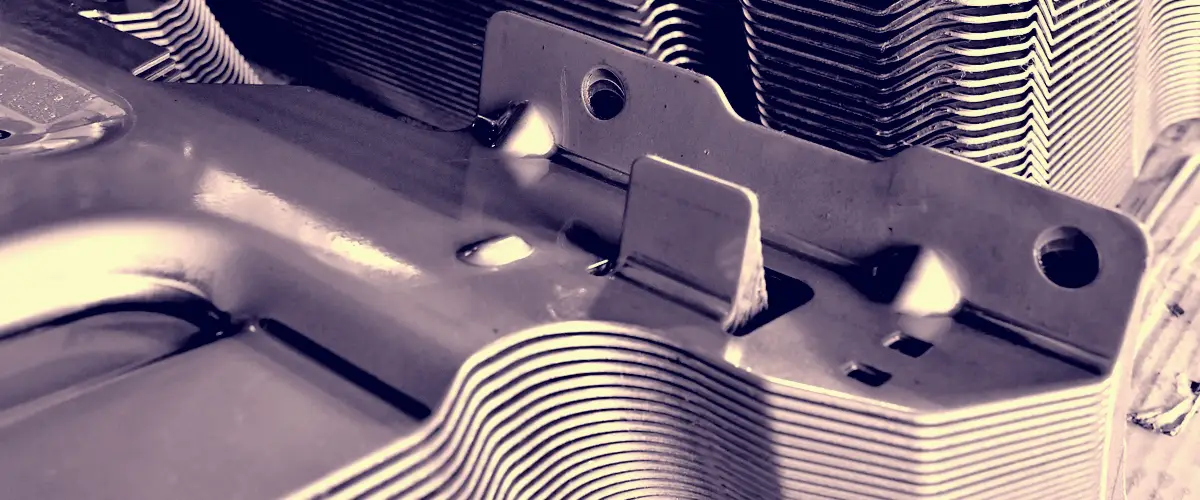
Ford Atlantic provides precision metal stamping services for OEMs, contract manufacturers, and industrial buyers seeking high-quality components at competitive prices. We support both high- and low-volume production programs using advanced stamping processes and a broad range of industrial materials.
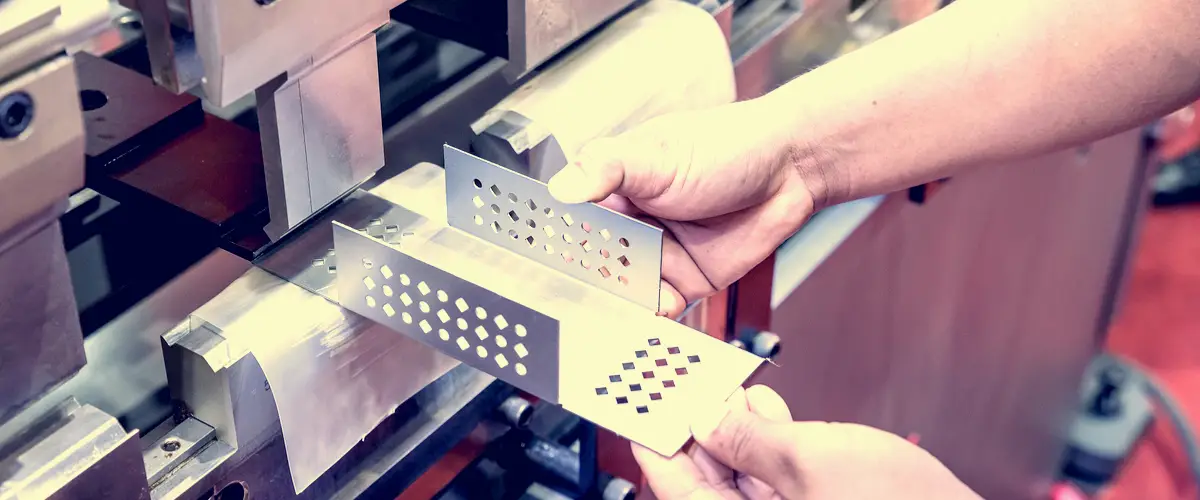
Metal stamping is one of the most cost-effective and versatile manufacturing methods for producing large volumes of identical metal parts. In the stamping process, sheet metal is formed by a die within a press that shapes the material to precise specifications. When engineered correctly, stamping delivers repeatability, tight tolerances, and long-term cost efficiency.
High- and Low-Volume Production Capabilities
Ford Atlantic specializes in scalable stamping programs. Tooling configurations range from economical punching and forming dies to complex progressive die systems designed to reduce per-piece costs in high-volume production.
Hard tool configurations can include simple single-stage dies or fully progressive tools engineered to meet tight tolerance requirements while maintaining efficiency. Tool selection is driven by part complexity, annual volume, and material characteristics.
Metal Stamping Processes We Support
- Precision metal stamping
- Progressive die stamping
- Transfer press stamping
- Deep draw stamping
- Multi-slide stamping
- Flat forms
- Wire forms
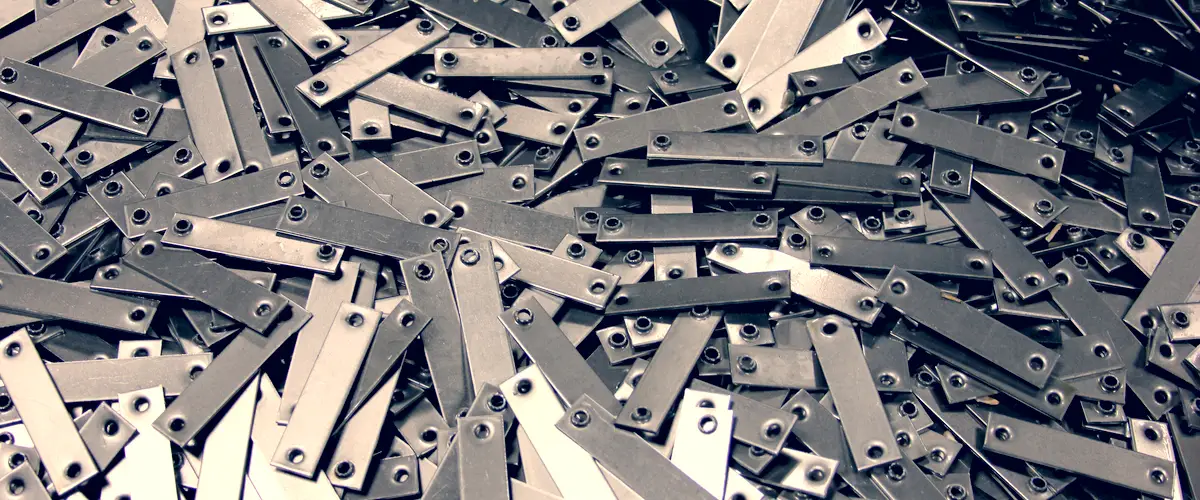
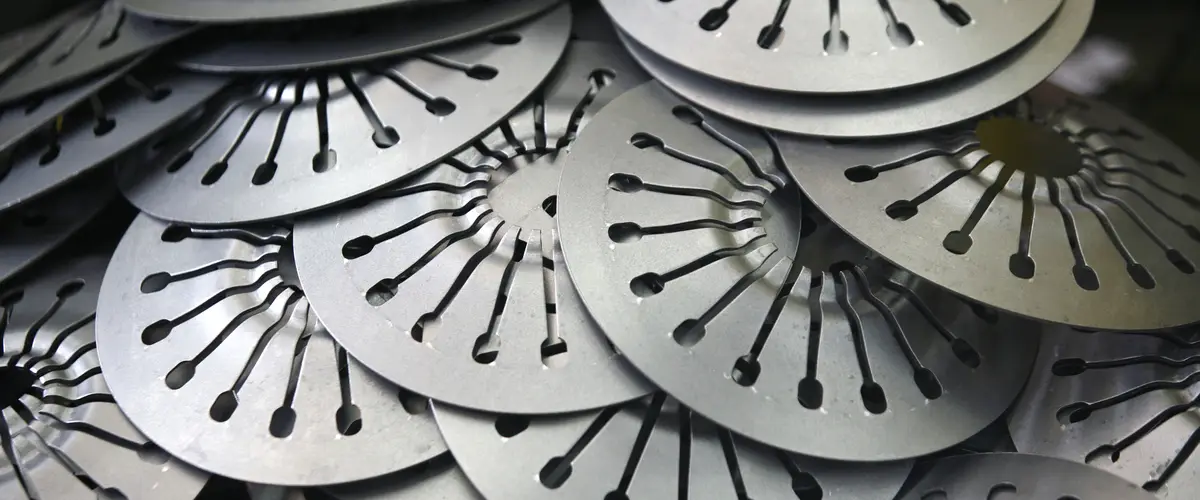
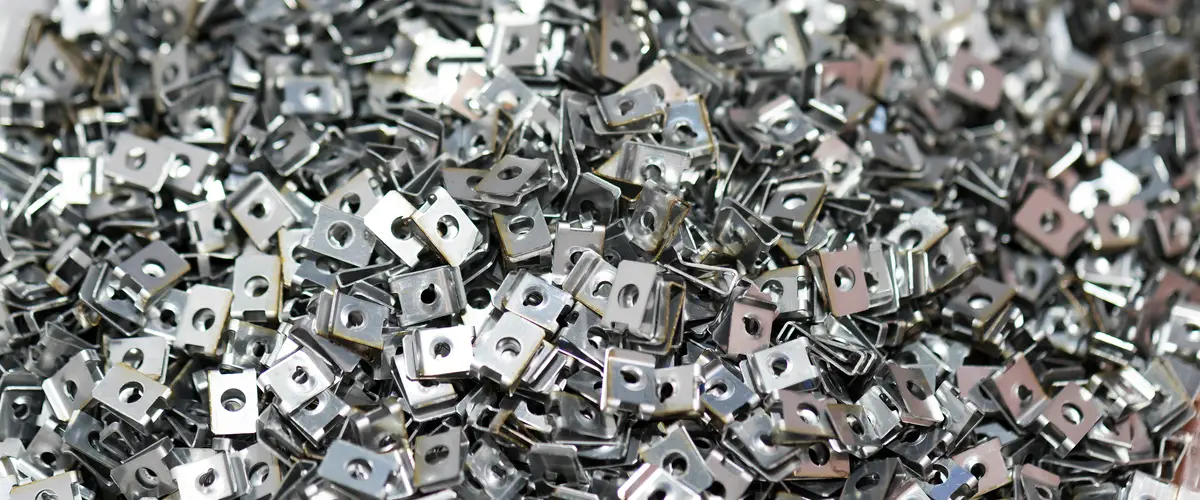
Materials and Metallurgy Options
Material selection directly impacts strength, corrosion resistance, conductivity, and long-term performance. We support stamping production in: Aluminum, stainless steel, nickel plated steel, copper and copper alloys, brass, nickel, nickel alloys, beryllium, refractory metals, zinc, niobium, tantalum, titanium, gold, silver, platinum, and bronze. Our team works with customers to align material grade and thickness with functional and environmental requirements.Secondary Operations and Finishing
In addition to primary stamping, Ford Atlantic provides secondary machining and finishing operations to deliver production-ready components.- Cutting and drilling
- Mitering and tapping
- CNC milling
- Piercing and bending
- Deburring and swaging
- Welding and notching
- Paint and powder coating
- Anodizing and hard coat
- Brushing, polishing, and plating
Tooling and Cost Efficiency
Stamping is often one of the least expensive production methods for high-volume metal components. Progressive die tooling enables reduced cycle times and lower unit costs once tooling investment is amortized. For lower-volume or prototype programs, simpler die configurations can be deployed to maintain cost control without sacrificing quality.Integrated Manufacturing Support
Stamped components can be incorporated into contract assembly programs or prepared through contract packaging services to streamline procurement and logistics.Frequently Asked Questions About Metal Stamping
Deep draw stamping is used to create cylindrical or complex shapes that require significant depth relative to diameter. It is common in automotive, industrial, and enclosure components.
Yes. Stamped components are frequently incorporated into assembly programs to provide installation-ready subassemblies.
Our Capabilities
Streamline Your Part Sourcing
Discuss your specifications, volumes, and sourcing objectives with our team. We provide fast, detailed responses supported by technical review and market-based pricing.